The heating, ventilation, and air conditioning (HVAC) system plays a vital role in an Airborne Infection Isolation Room (AIIR), managing airflow and removing contaminants.
Negative Pressure: A fundamental aspect of an AIIR is maintaining negative air pressure compared to surrounding areas. This is accomplished by exhausting more air from the room than is introduced, resulting in an inward air flow that keeps airborne pathogens contained.
- Pressure Differential: A continuous minimum negative pressure of -2.5 Pascals (-0.01 inches of water gauge) must be maintained between the isolation room and adjacent corridors or anterooms.
- Monitoring: Ongoing pressure monitoring with both audible and visual alarms is crucial to notify staff of any pressure deviations. These monitoring devices should be easily visible, typically placed outside the room’s entrance, with pressure-sensing probes located above the doors.
Air Change Rates: A high air exchange rate is essential for diluting and removing infectious particles.
- Minimum Air Changes: The Centers for Disease Control and Prevention (CDC) and ASHRAE Standard 170 recommend at least 12 air changes per hour (ACH) for new construction and renovations. However, different codes may dictate otherwise. It is the Engineer’s responsibility to confirm the requirements of the governing health code. Furthermore, an Owner’s standards may specify additional air exchange rates. It is good practice to design for approximately 10% greater airflow than the minimum code requirement. A variance of 10% is often acceptable during the testing, adjusting, and balancing process, so designing for 10% over the required minimum ensures adequate performance.
- Fresh Air Intake: A portion of the air supplied to the room must come from fresh outdoor sources to ensure adequate ventilation. Many health codes require approximately 17% of the air from outdoors.
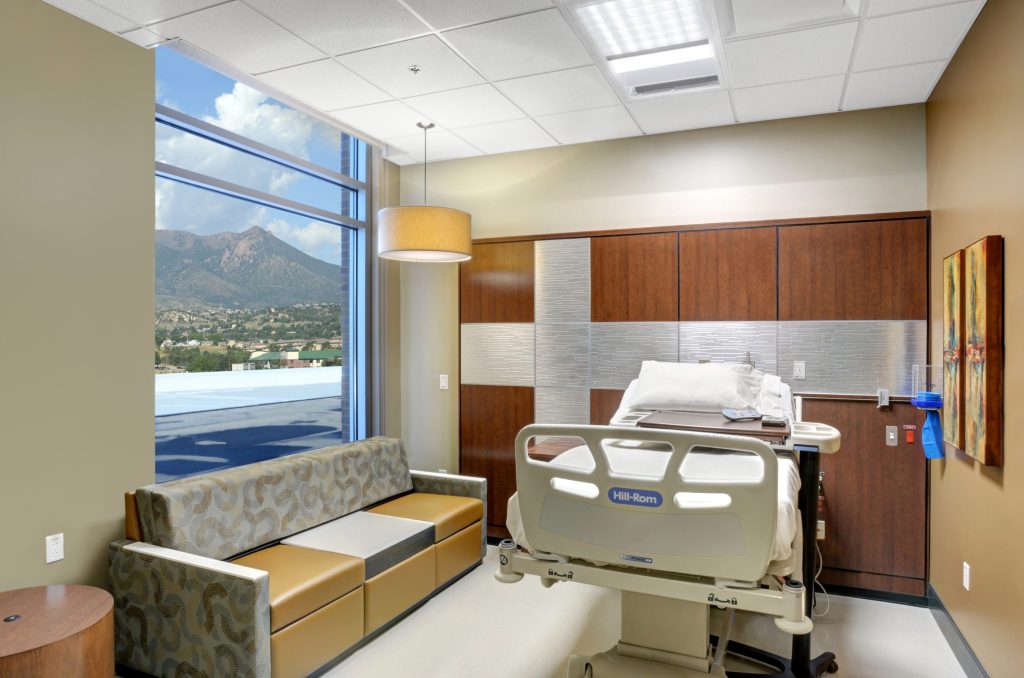
Air Devices and Air Terminals: The supply air diffuser in the isolation room should be positioned above the bed, over the patient’s legs. The exhaust grille should be placed as far from the door as practical, preferably near the window at approximately 8 inches above the finished floor (AFF) within a chase. The exhaust location away from the door provides a hygienic passage for incoming traffic from the corridor.
- To effectively control and measure airflow rates, we recommend using a variable air volume (VAV) supply terminal along with another terminal for exhaust. AII rooms often have hard gypsum board ceilings to facilitate cleaning. Therefore, the air terminals should be located outside the hard ceiling areas or equipped with sufficiently sized access panels. Small access panels, such as 12×12 inches, are not advisable.
- The pressurization requirements for the anteroom vary according to different codes, such as those from TDSHS, FGI (ASHRAE 170), and VA. The engineer should review the relevant codes and devise a strategy to ensure compliance with the required pressure relationships between the corridor, anteroom, and AIIR.
Filtration: Effective filtration is necessary for purifying the air being expelled from the room.
- HEPA Filtration: Exhaust air must be filtered through a High-Efficiency Particulate Air (HEPA) filter that can eliminate 99.97% of particles as small as 0.3 micrometers. The HEPA filter should be positioned close to the exhaust point to minimize the length of contaminated ductwork. In some jurisdictions, a 10 ft stack is acceptable without HEPA filtration.
Exhaust Systems: The exhaust system must be designed to effectively remove contaminated air.
- Dedicated Exhaust: AIIRs require a dedicated exhaust system that does not recirculate air to other areas of the facility. The exhaust from the AIIR room, toilet room, and anteroom can be tied together.
- Discharge Location: Exhaust must be directed outdoors, away from public spaces and air intakes, to avoid the re-entry of contaminated air. The discharge point should typically be situated at a height, such as above the roof.
Anterooms: While not always required, an anteroom serves as an additional protective layer. It functions as an airlock between the AIIR and the corridor, minimizing pressure fluctuations when the patient room door is opened. The anteroom should maintain a different pressure compared to both the patient room and the corridor, creating a pressure cascade.
Electrical Systems: The electrical systems in an AIIR must be reliable to support essential life-safety functions. Continuous power is vital for maintaining negative pressure and supporting patient care equipment.
- Equipment Power: The exhaust and supply fans, along with the pressure monitoring system, should be linked to the hospital’s emergency power supply to ensure the isolation integrity remains intact during power outages.
- Receptacles: Adequate emergency power outlets should be available in the room for essential medical devices, including ventilators and monitoring equipment.
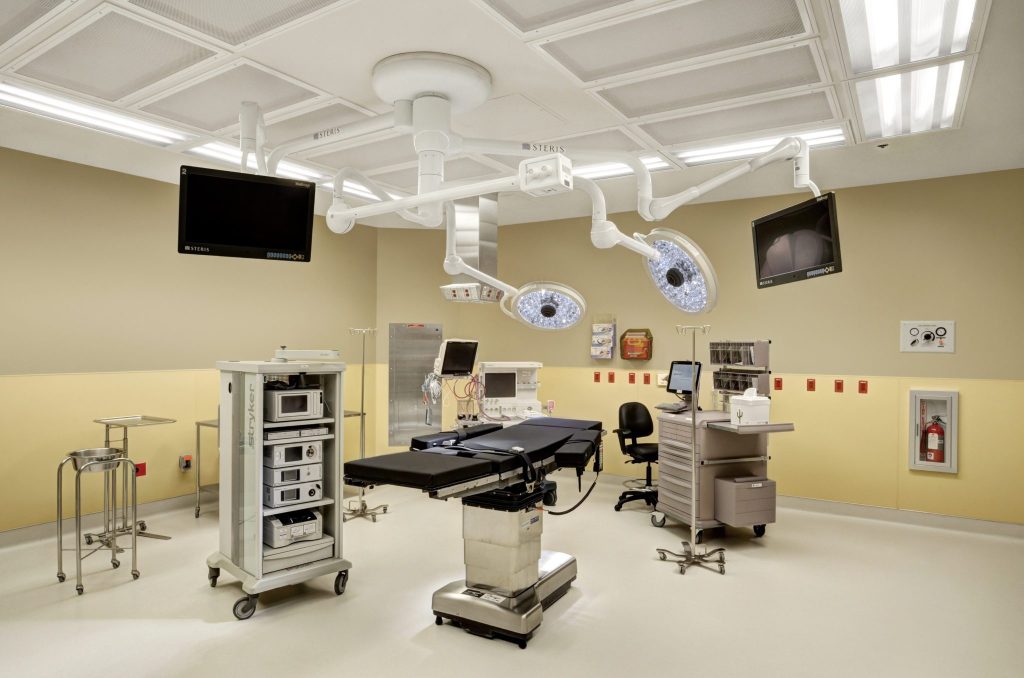
Lighting: Adequate lighting is important for patient comfort and clinical observation.
- Sealed Fixtures: All lighting fixtures within the AIIR must be airtight to prevent air leakage and to allow for easy cleaning and disinfection.
- Dimming Capabilities: Dimmable lighting can improve patient comfort and create a healing environment.
Plumbing Systems: Plumbing systems in an AIIR must be designed to provide necessary patient care while preventing the spread of waterborne contaminants through water and waste.
- Dedicated Toilet and Sink: Each AIIR must feature a private toilet and handwashing sink to reduce the need for patients to leave the isolation room, thereby minimizing cross-contamination risk.
- Backflow Prevention: Backflow prevention devices on all water supply lines to the AIIR are crucial to avoid contaminated water entering the potable system.
Medical Gas Systems: When necessary, medical gas systems must be designed with safety and accessibility in mind.
- Required Gases: The medical gases provided (e.g., oxygen, medical air, vacuum) will depend on the room’s intended use and the patients’ conditions. Code requirements, Owner standards, and end user requests may dictate the outlet types and quantities.
- Shut-off Valves: Shut-off valves for all medical gases should be easily accessible and located outside the room to allow for emergency shut-off without entering the contaminated area. Outlets inside the room must be sealed to prevent air leakage.
Airborne infection isolation rooms require thoughtful planning and attention to detail. Proper design of mechanical, electrical, and plumbing systems is essential for control of airborne contaminants.